Application Note
Learn how Unity, analysis complex geological structures, provides both rapid imaging at a high magnification, disclosing micro-structure, and images the whole sample, revealing macro-structure at previously unachievable speed.
 Part of the Oxford Instruments Group


Unity is a groundbreaking detector designed to accelerate elemental analysis and unlock new capabilities in the Scanning Electron Microscope (SEM). It is the world’s first Backscattered Electron and X-ray (BEX) and Energy Dispersive Spectroscopy (EDS) detector, delivering powerful, integrated elemental insights at unprecedented speed.
View Brochure Request PricingMap entire samples in minutes
Analyse delicate samples
Map and quantify trace elements
Reach sub 10nm resolution
The BEX technology has been widely recognized as one of the most impactful microscopy innovations in recent years, it was honoured with prestigious awards such as the 2024 Microscopy Today Innovation Award and the 2025 IOP Business Innovation Award.


Unity's innovative design incorporates both backscattered electron and X-ray sensors within a single package, strategically positioned directly beneath the pole piece to maximise signal collection while eliminating shadowing effects from unpolished samples.
Using the latest advancements in Energy Dispersive Spectroscopy (EDS) technology, including ultra-fast electronics and advanced spectrum processing algorithms, the Unity BEX/EDS system sets a new standard for elemental analysis in SEM. With increased sensitivity and speeds up to 100 times faster than conventional systems, Unity enables the analysis of sensitive samples, rough surfaces, and trace elements (>0.1 wt%), all under standard SEM imaging conditions.
Unity is the first-ever combined Backscattered Electron and X-ray (BEX) detector in Scanning Electron Microscopy (SEM), designed to overcome several inherent limitations of traditional Energy Dispersive X-ray Spectroscopy (EDS) and SEM imaging. While EDS is the standard technique for elemental analysis in SEM, it is hindered by two primary challenges: the inherently low intensity of X-rays—approximately 1,000 times weaker than electrons—and the positioning of the Silicon Drift Detector (SDD) relatively far from the sample, which reduces sensitivity. Furthermore, EDS detectors typically have a low take-off angle of around 30 degrees, causing shadowing effects on rough samples, further limiting their effectiveness.
Unity addresses these limitations by combining Backscattered Electron and X-ray sensors directly beneath the pole piece, positioning it extremely closes to the sample. This breakthrough dramatically enhances X-ray sensitivity and unlocks a range of new capabilities for SEM users. The inclusion of BSE sensors was also critical, as BSE signals are vital for generating sharp, detailed images and providing complementary z-atomic number contrast information.
This advanced technology enables live elemental imaging, revolutionizing the SEM imaging process. Unity improves both the sensitivity and speed of X-ray detection by at least 10x, allowing for faster, more precise elemental analysis. Unity works in perfect synergy with Ultim Max Infinity EDS detectors to deliver the best elemental analysis possible in SEM, excelling in speed, sensitivity and quantification accuracy. It opens the door to new applications by overcoming traditional barriers, such as the ability to detect signals from holes, rough surfaces, and extremely sensitive materials that require low electron doses. By addressing these challenges, Unity sets a new standard for SEM imaging and expands the possibilities for advanced material analysis.
Electron microscopy analysis is frequently criticised for only investigating a small region, representing a limited percentage of the entire sample. The Unity BEX detector effectively overcomes this limitation with ease.
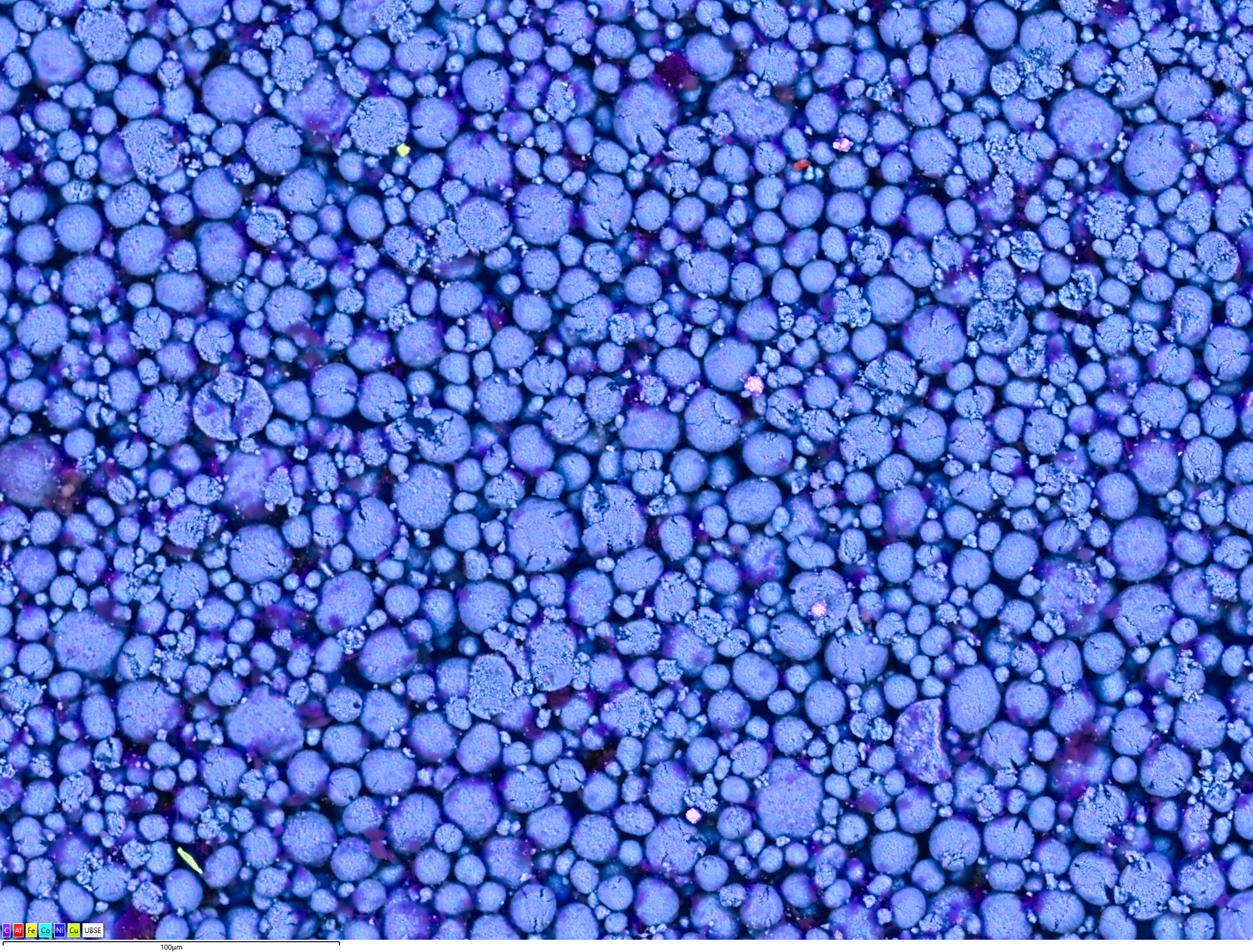
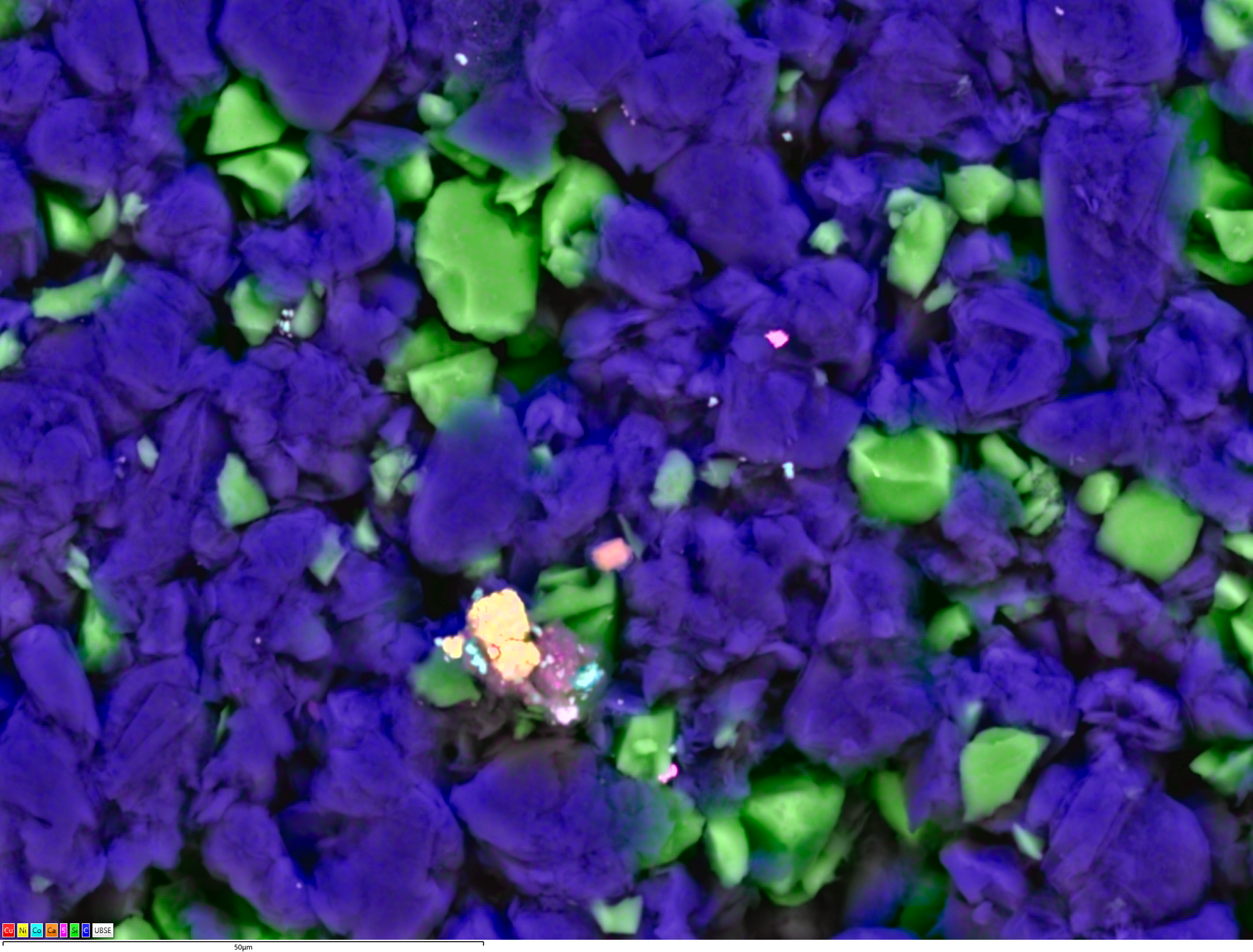
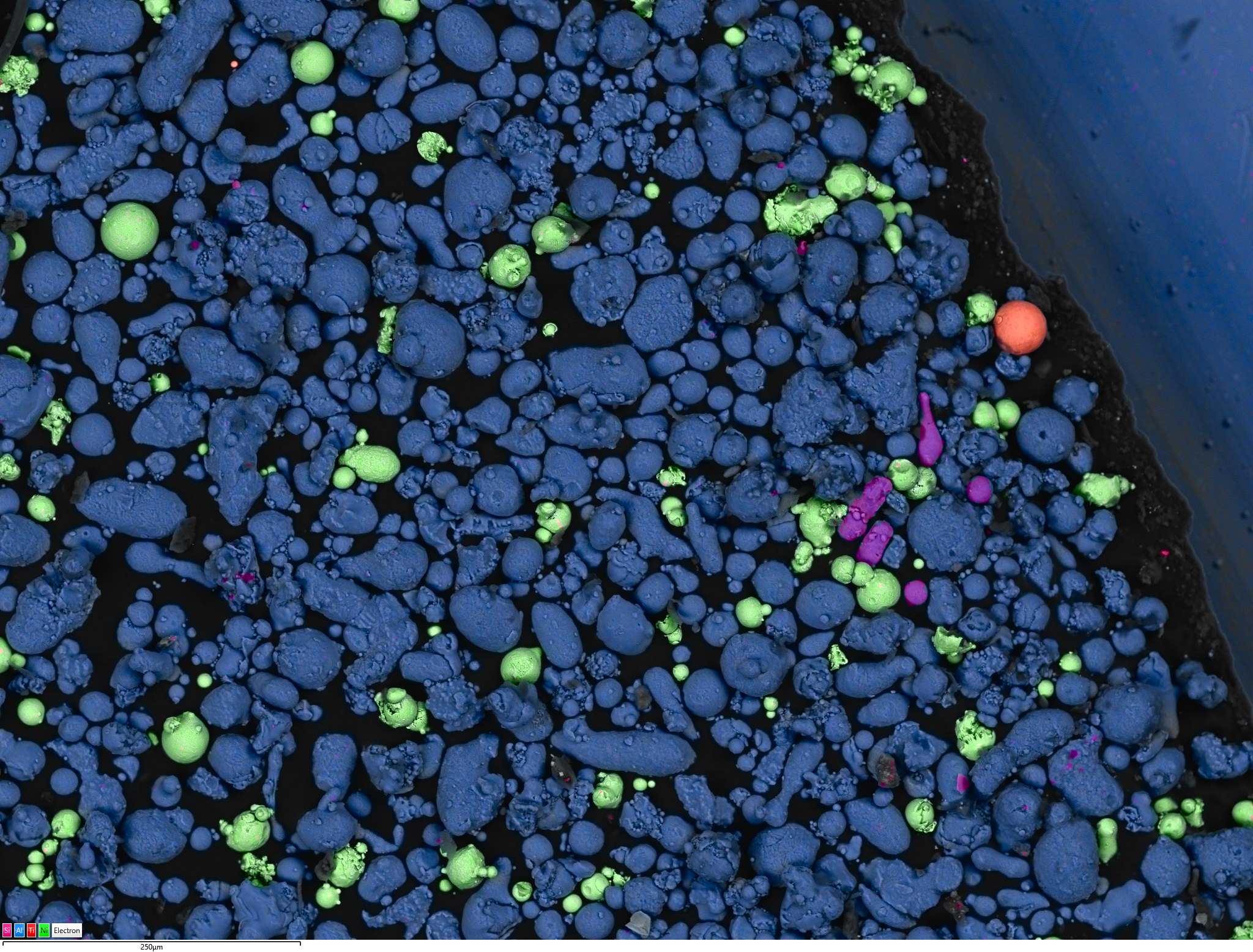
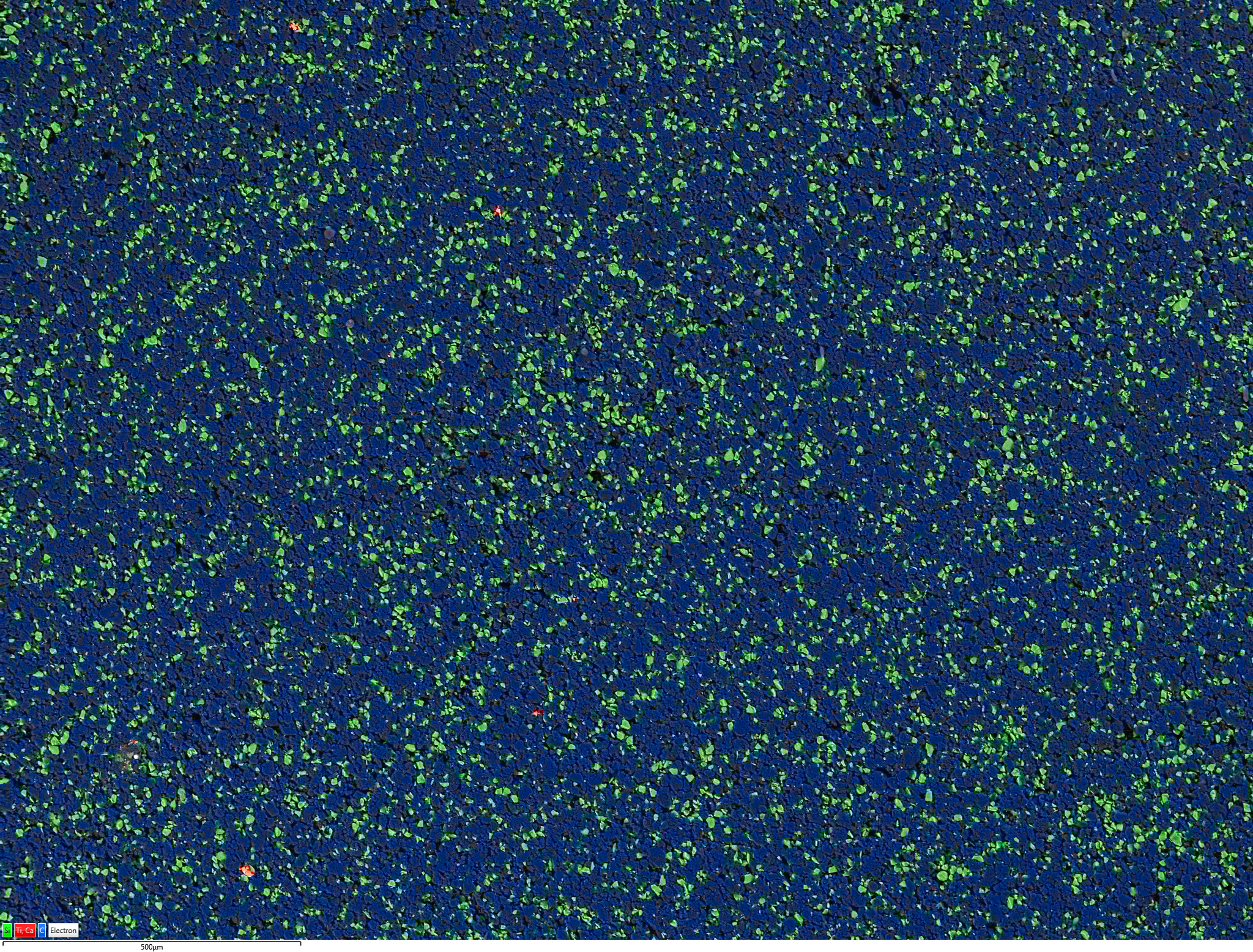
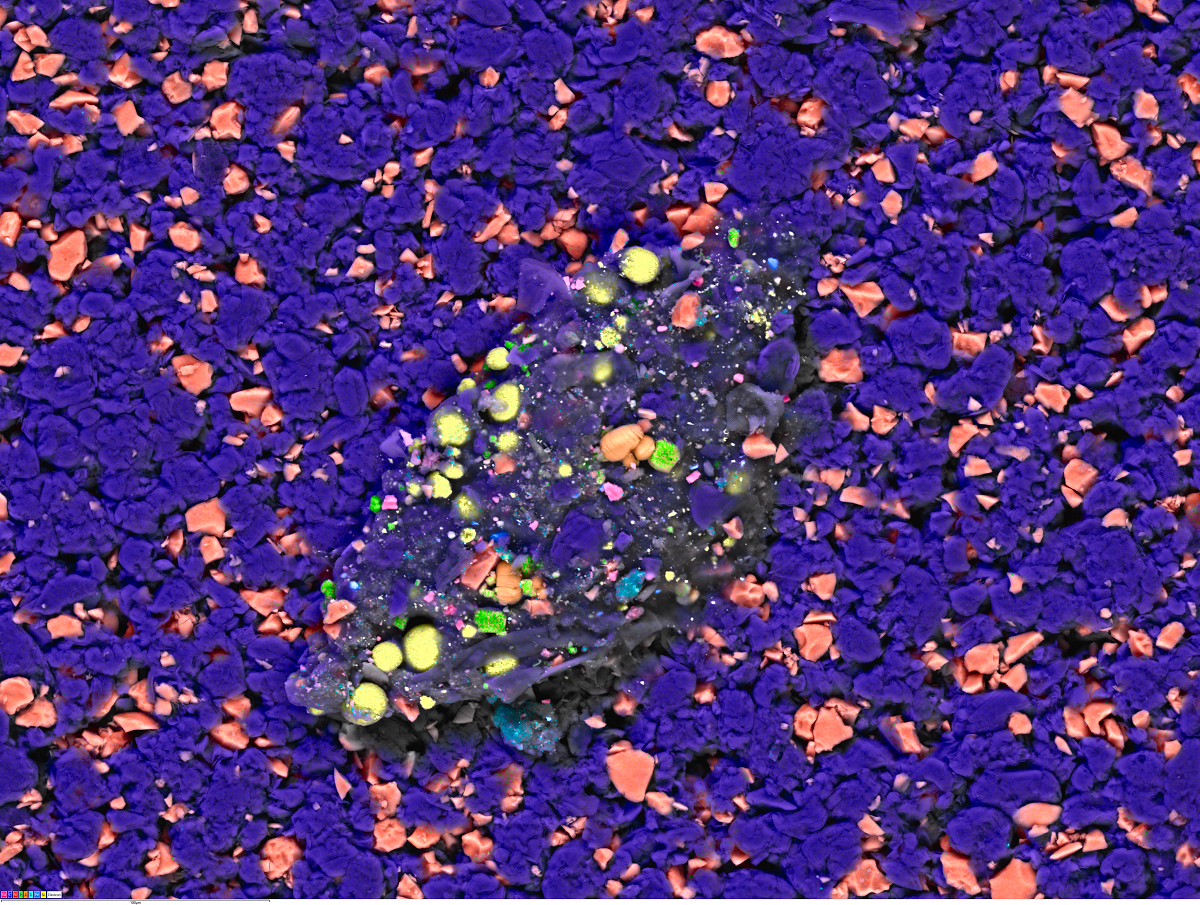
Thanks to its novel design, combining two X-rays sensors positioned very close to the sample, the Unity BEX detector accelerates the analysis by at least an order magnitude. SE, BSE, BEX and EDS data are all acquired simultaneously during the same scan which accelerates the analysis even further. Entire samples (e.g. 12mm² stub) can be analysed in under 20 minutes.
Figure legend: Automated high resolution analysis of a 12mm² stub powder sample in 30 minutes – 432 fields, 20kV, 2nA
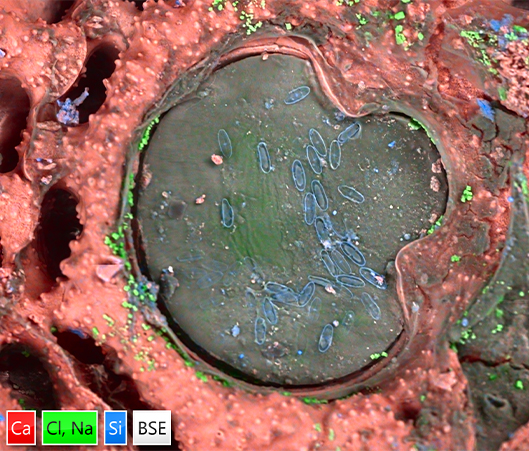
Watch the on-demand webinar Explore the blogThe elemental analysis of delicate samples, such as biological specimens is often impossible in the SEM. The Unity BEX detector overcomes this limitation efficiently. The high sensitivity of Unity BEX detector and its compatibility with variable pressure mode means that the analysis of non-conductive and sensitive samples can be performed by reducing electron beam dosage and working at low pressure modes. In addition, this minimizes the need for samples preparation which can alter the sample.
Figure legend: Comparison between BEX map in low vacuum mode and SE image at high vacuum mode - non-coated sample of a sea creature. 20kV, 1nA, 50Pa, 15 seconds acquisition time.
Watch the on-demand webinar Explore the blog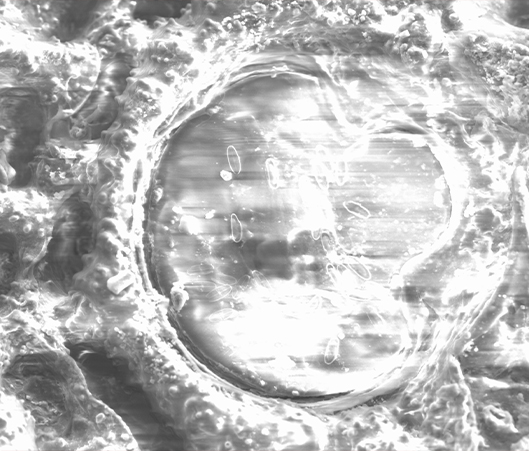
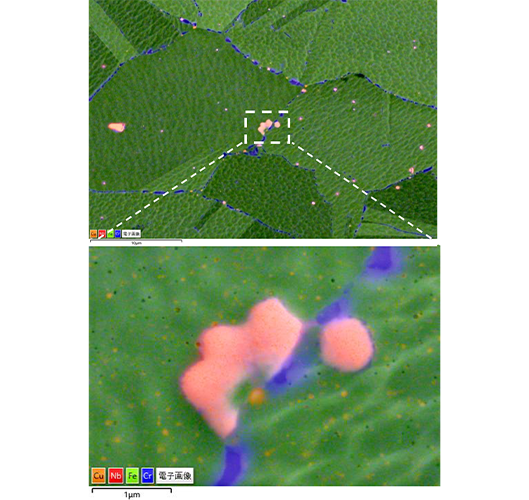
No need to use TEM to achieve ultra-high spatial resolution elemental mapping, which often comes with challenges like complex sample preparation and sample size limitations.
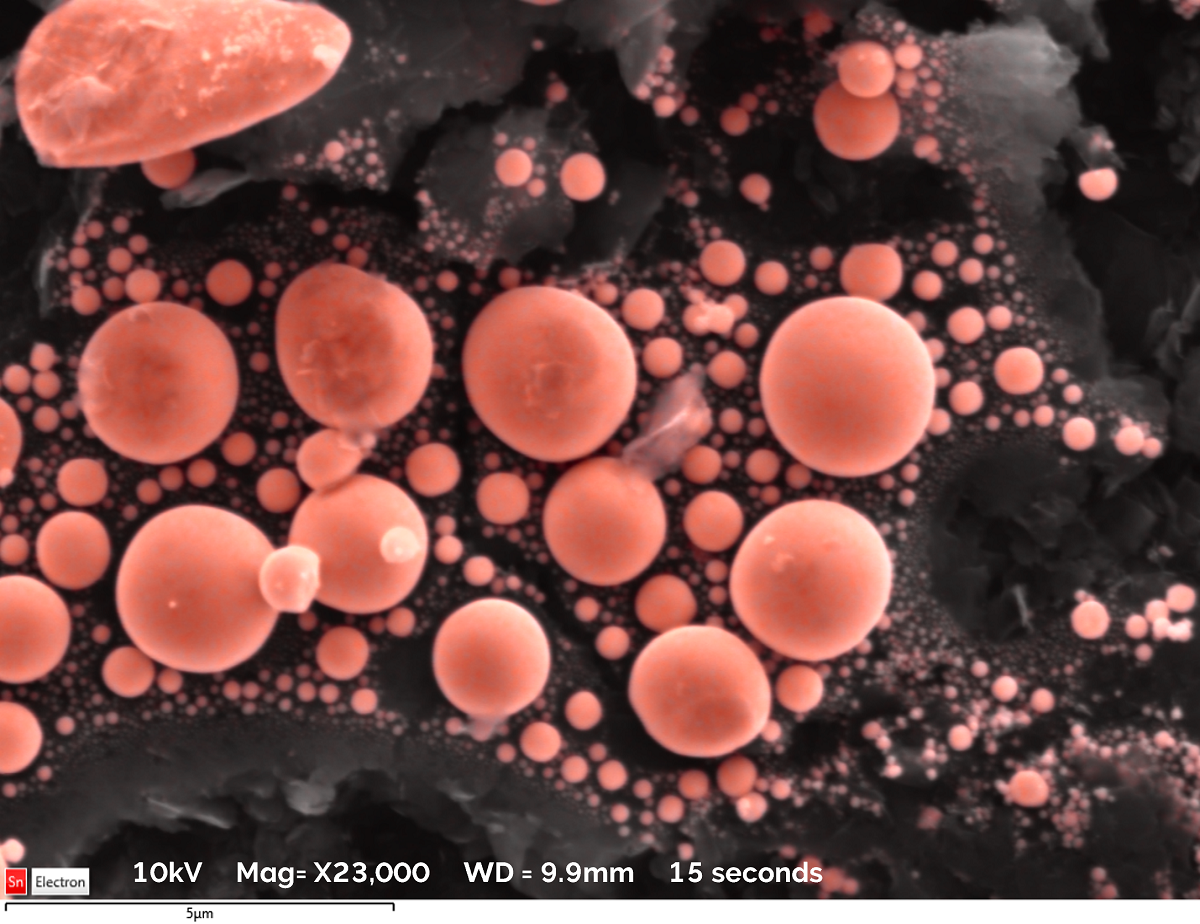
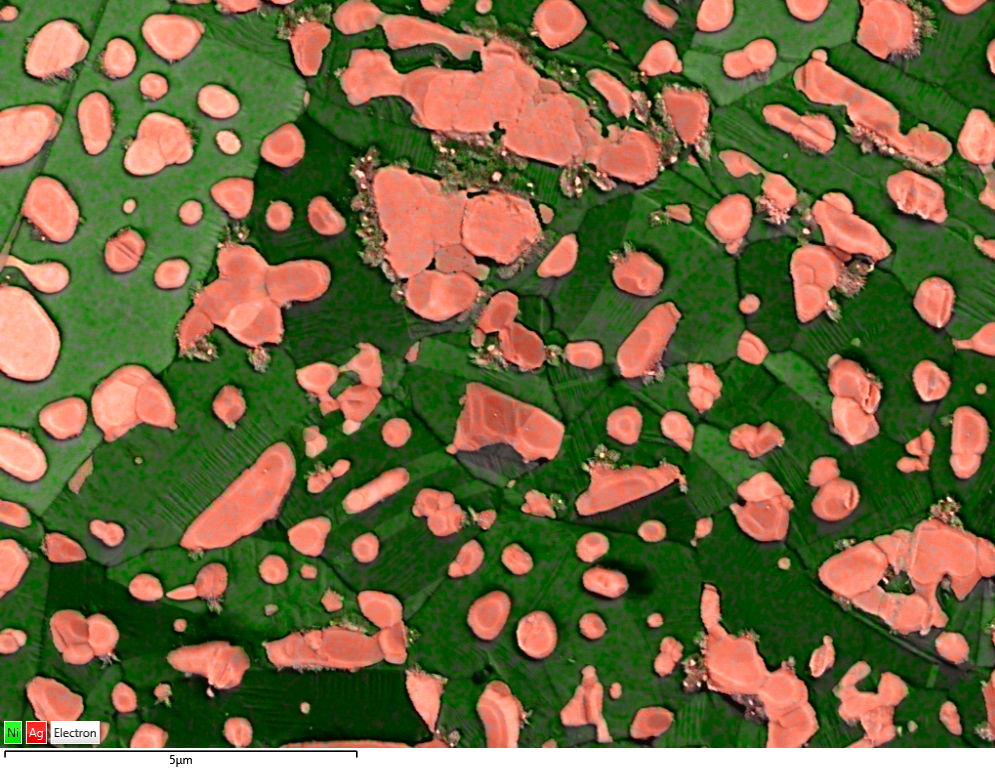
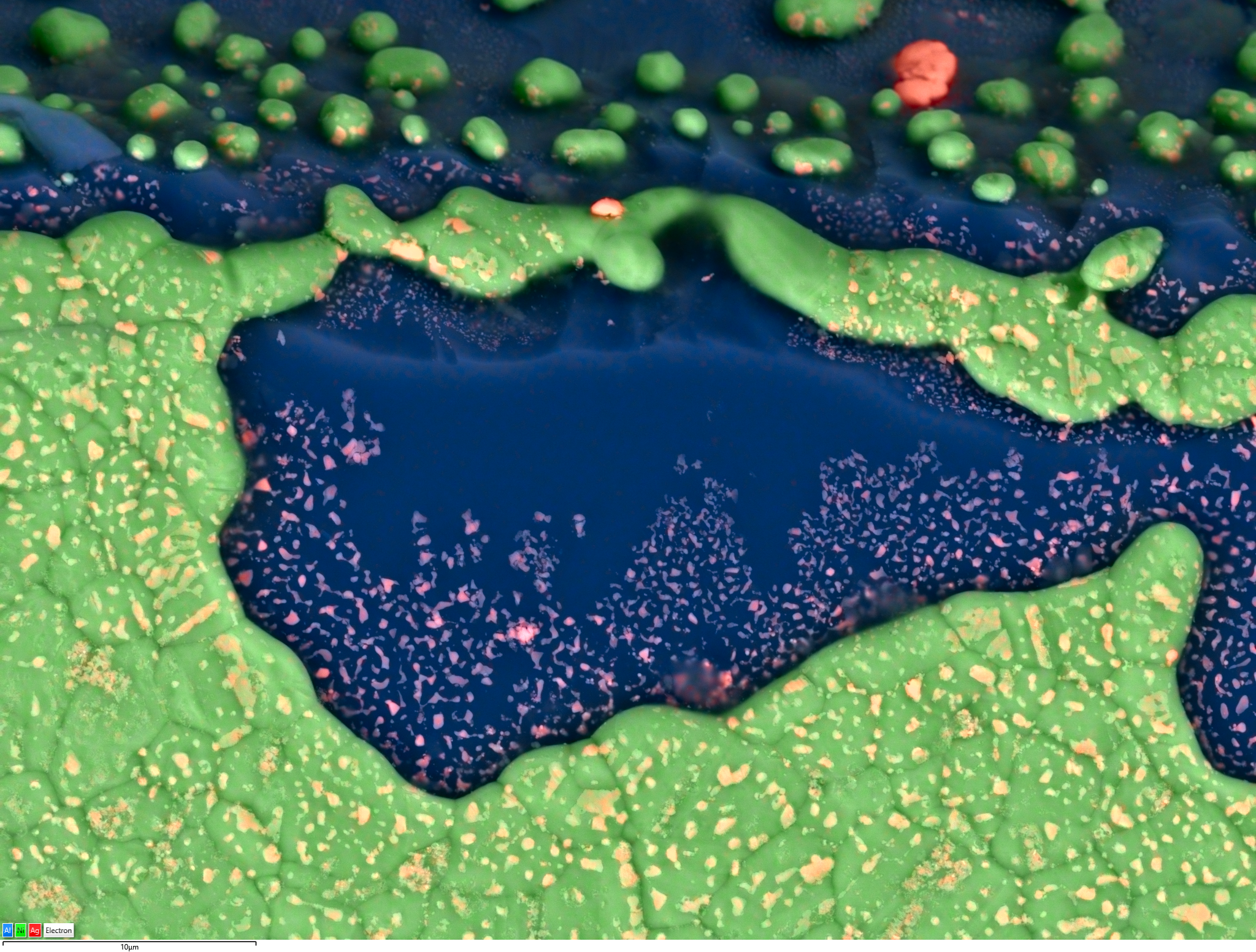
By combining the Unity BEX detector with a high-resolution FEG-SEM, ultra-high resolution (<10nm) can be attained thanks to the detector's high sensitivity and high take-off angle.
Figure legend: BEX map of grain boundaries precipitates in Fe Ni alloy, 12kV , 2min.
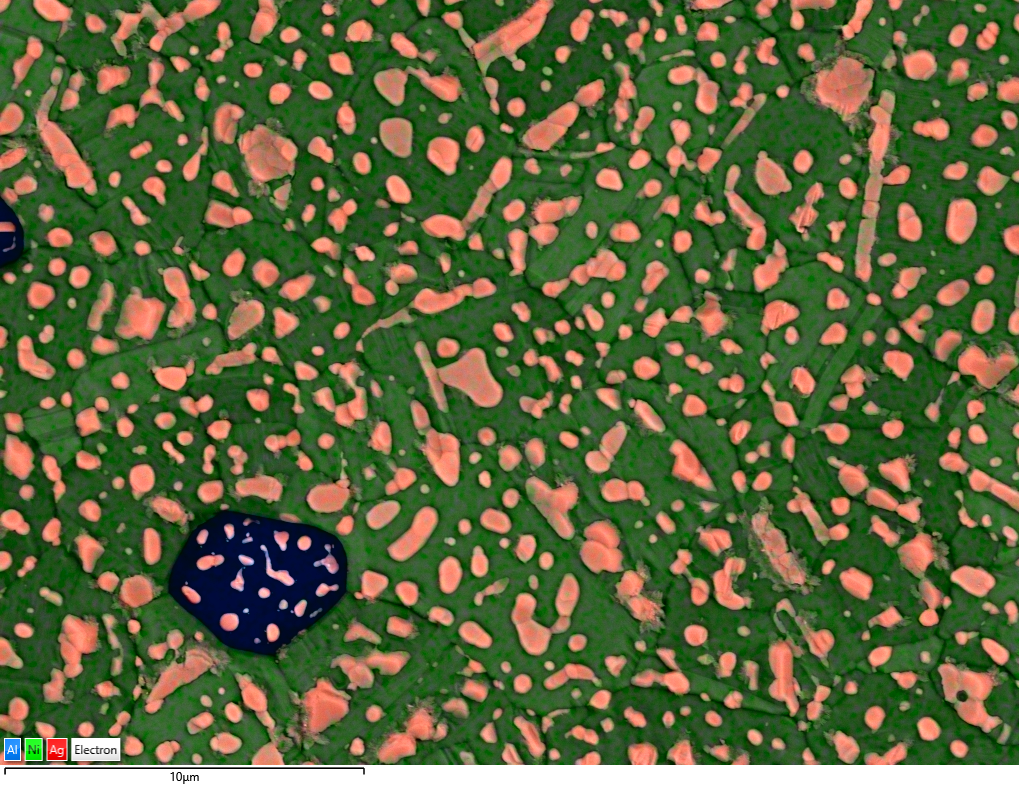
The Unity BEX detector pushes the boundaries of detection far beyond the capabilities of traditional EDS systems. With the ability to map trace elements down to concentrations as low as 0.1 wt%, it unlocks EPMA-type applications like mapping and quantifying segregation in steel or zoning in geological samples.
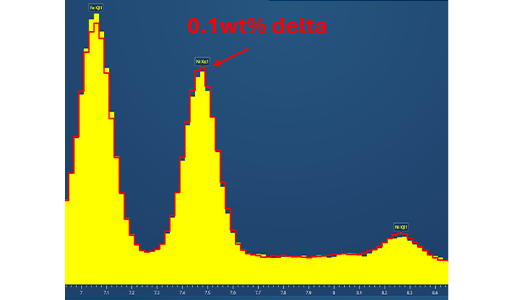
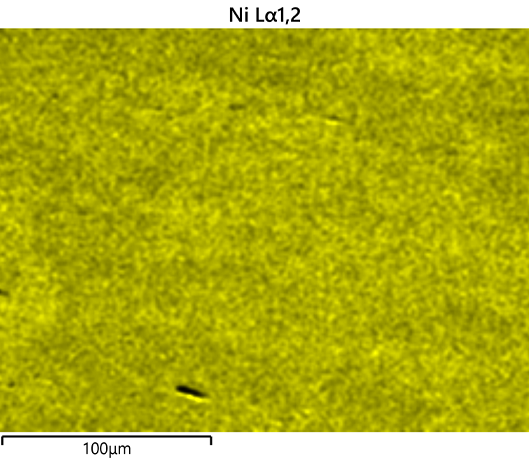
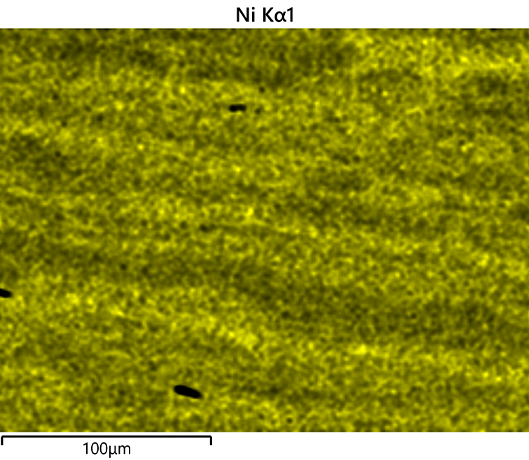
Figure legend: Mapping of 0.1wt% nickel segregation in steel using Unity BEX detector.
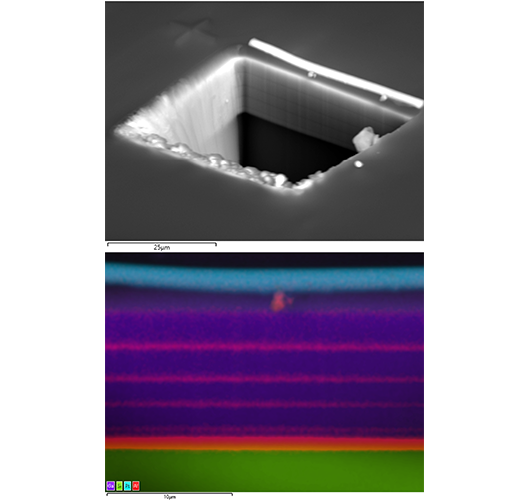
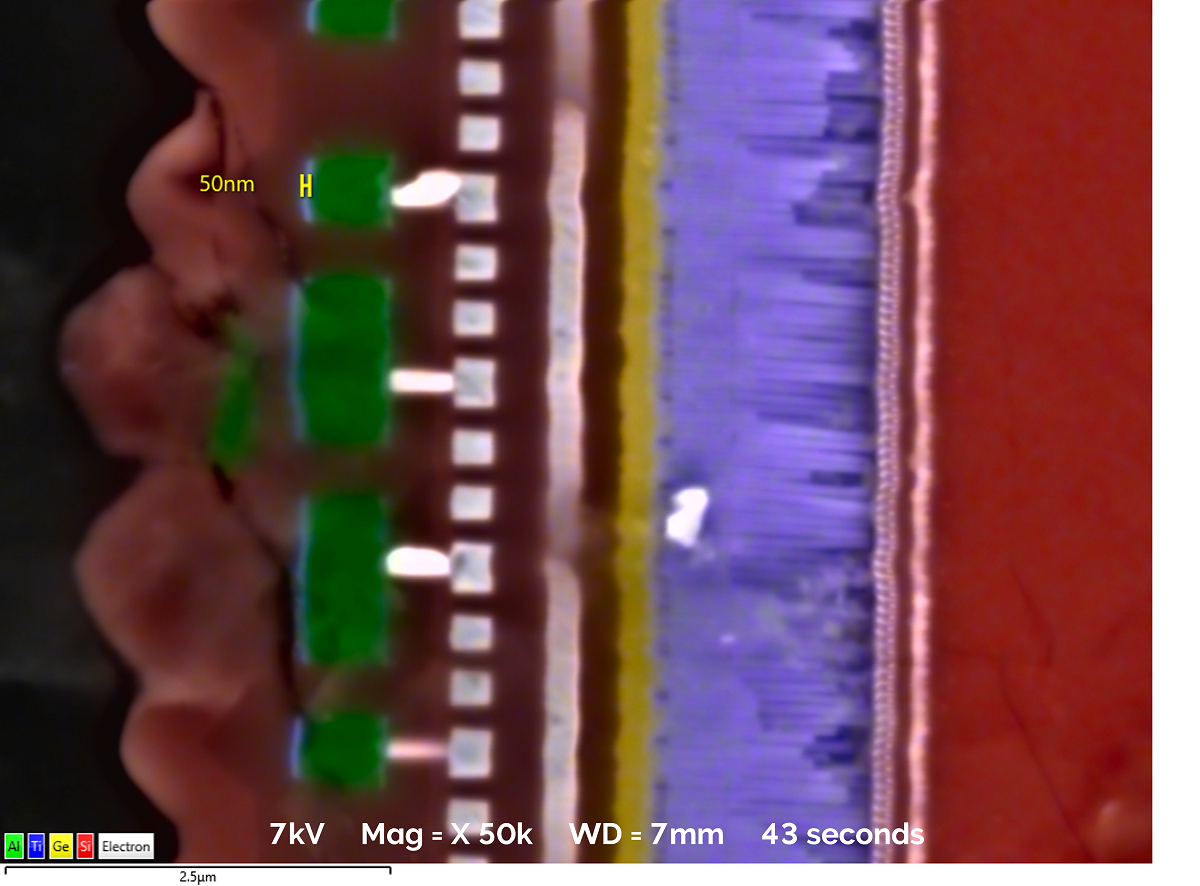
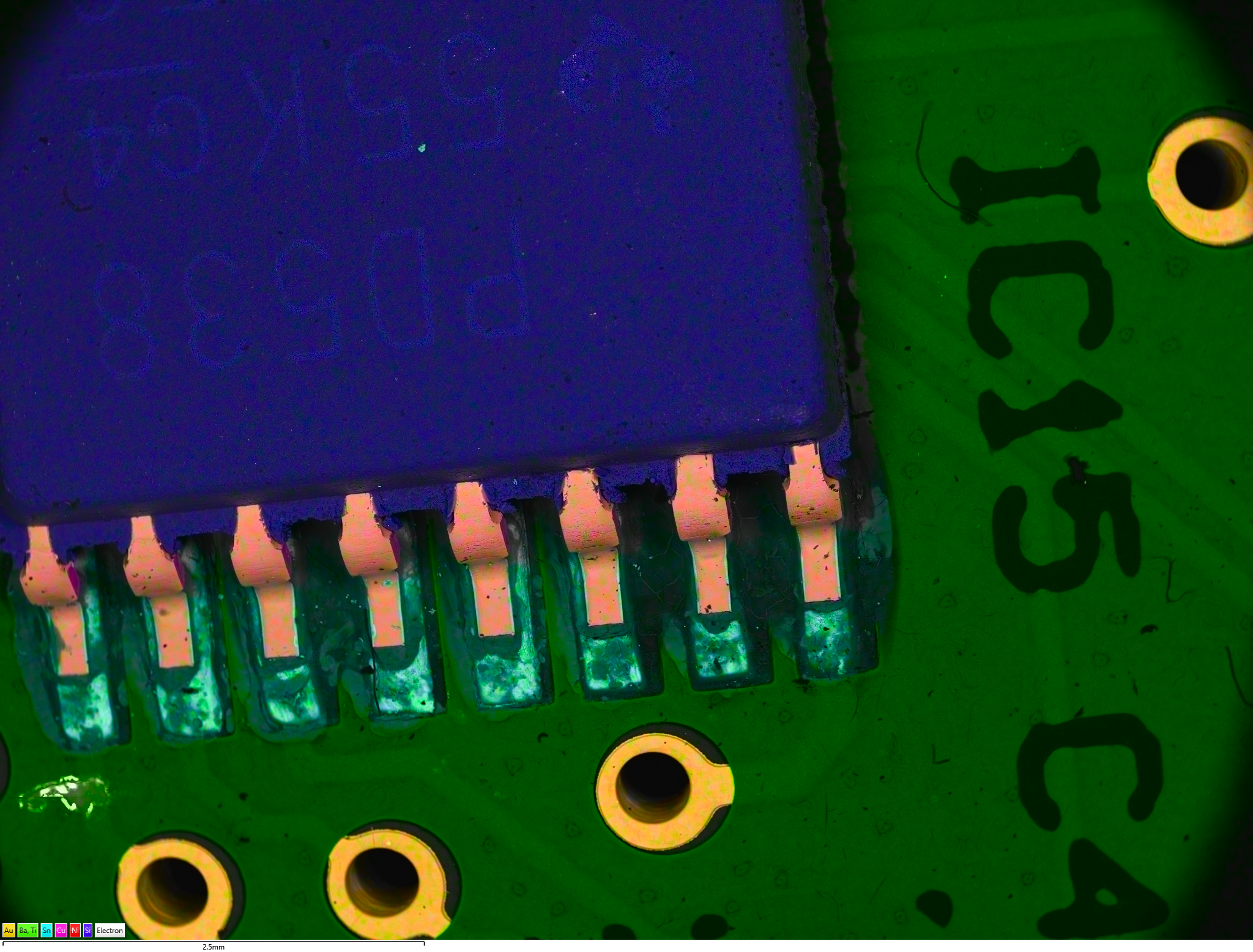
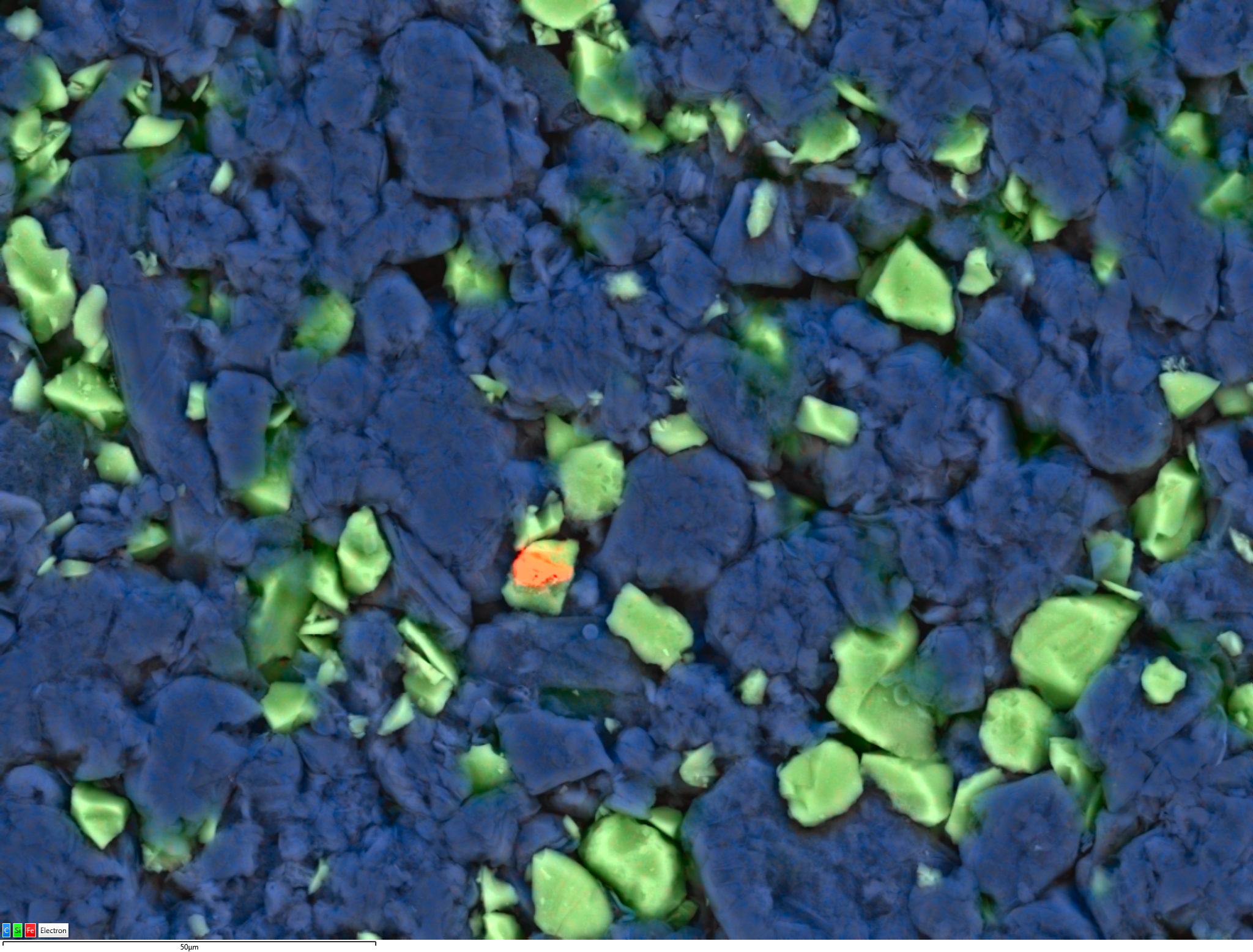
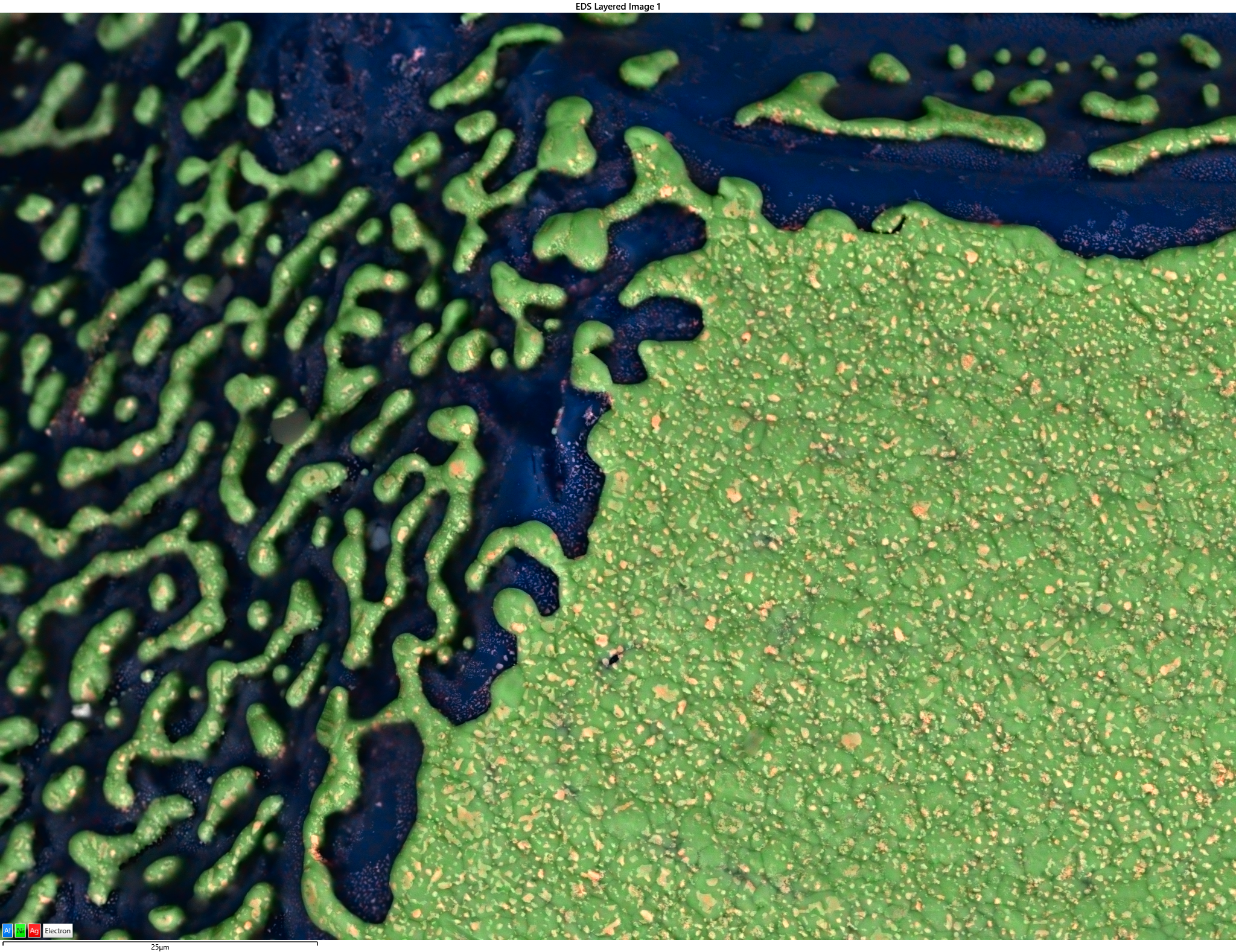
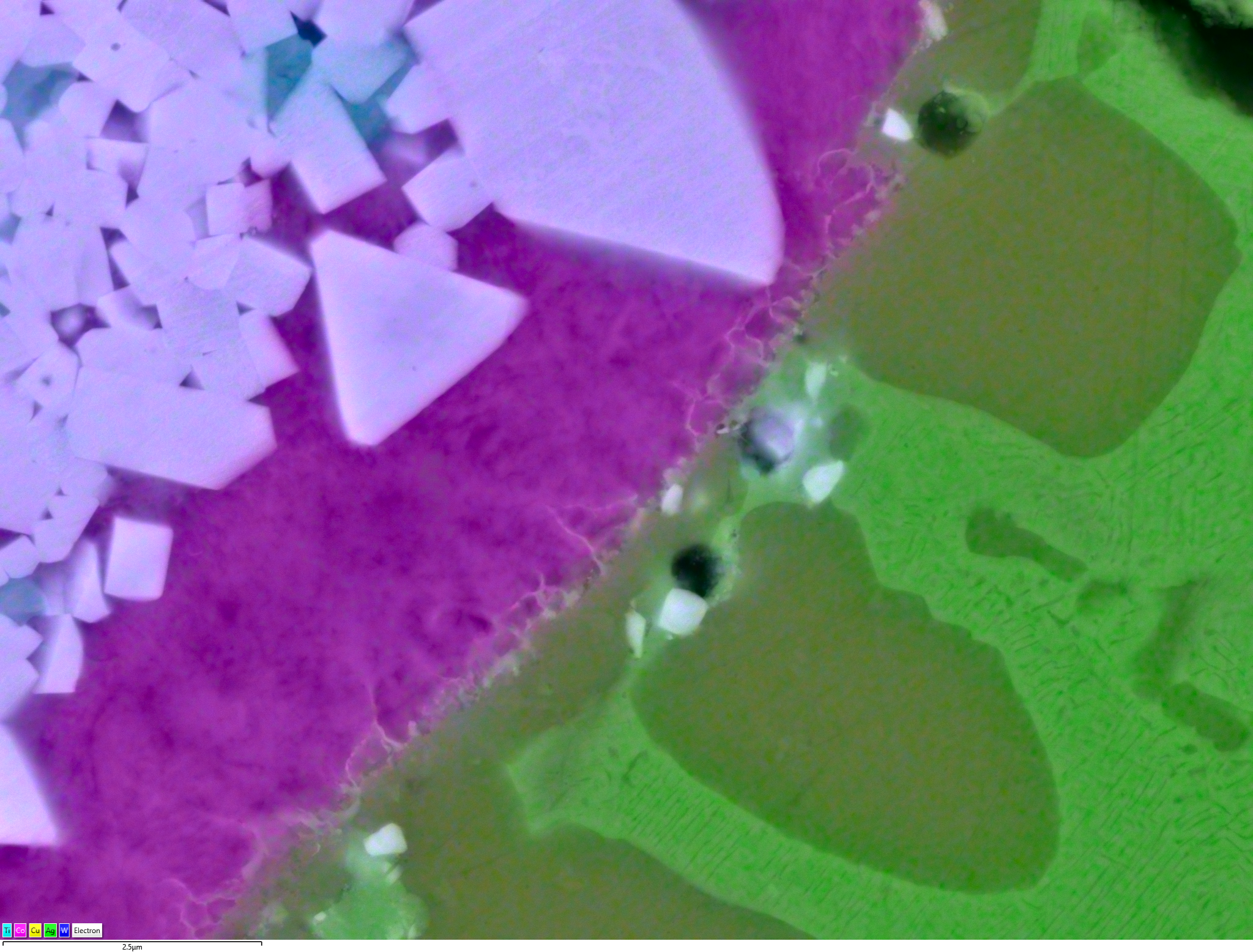
Watch the on-demand webinarThe dual Unity BEX X-ray sensors located above the sample overcome the challenges of complex sample topography, such as deep troughs that would typically produce no signal due to shadowing. This breakthrough enables the analysis of previously "forbidden" samples in SEM, making it possible to study unpolished bulk materials, challenging geometries, and FIB-SEM prepared trenches with ease and accuracy.
Figure legend: Unity BEX map of GaN/AlGaN layer structure in a semiconductor sample prepared with FIB-SEM, 12kV, working distance 8.5mm.
Unity BEX detector includes dual custom shaped high performance BSE sensors. The customized shape ensures maximized signal collection. It operates at low kV down to 1kV for enhanced surface sensitivity, reducing sample changing and minimizing damage to delicate materials.
Image figure: Large area 7x8 tiles acquired using cartography mode. Top inset displayed at 50% zoom allows to easily distinguish different cell borders. Bottom inset at 100% zoom with a 10nm pixel size with detailed membranes in mitochondria and small vesicles (15-30nm range). Sample courtesy of King’s College, London.
Watch the on-demand webinar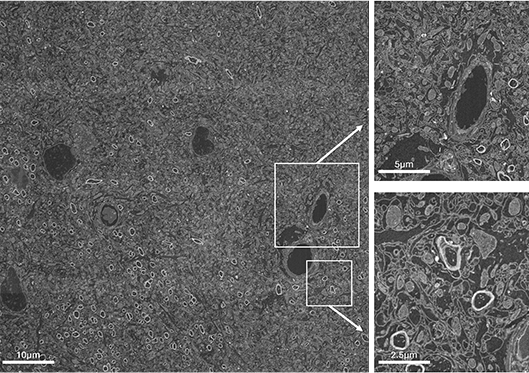
Large areas of the sample surface can now be navigated and scanned for features of interest. As you move around, you see full colour images showing the chemical elements that makes up your sample, live. Because this detail is immediately visible, some investigations can be completed in just minutes, while others can swiftly move onto examining further features or to switch seamlessly to another technique such as EDS, WDS or EBSD for more detailed analysis.
The speed of navigation provided by the BEX technique enables Unity to revolutionise the normal microscopy workflow so fundamentally. This is why in tests Unity was shown to boost microscope productivity up to 100 times.
Unity imaging also enables accurate, high-definition chemical mapping of the entire sample. What previously might have taken hours and possibly required an overnight run, can now be achieved in minutes.
The sample map you see below (left) is an entire sample on a 12 mm aluminium stub. Unity acquired this map in 30 minutes. You can use the zoom function, to see the very high level of resolution that was obtained. Using traditional methods, capturing this would have taken around 10 hours, setting up the equipment and delaying the progress of the analysis. With Unity, this can be achieved in the time you can go for coffee. The data can then be made available to process offline, and the microscope freed for the next sample acquisition.
The image below (right) is a seafloor manganese nodule analysed using Unity. The nodule is ~26 x 22 mm. Use the zoom function to really see the high resolution of the whole sample that has been achieved in this map. Individual fields were magnified 374x with a total of 1288 fields making up the map. With Unity’s exceptionally high throughput, this map was acquired in just 3h 26m.
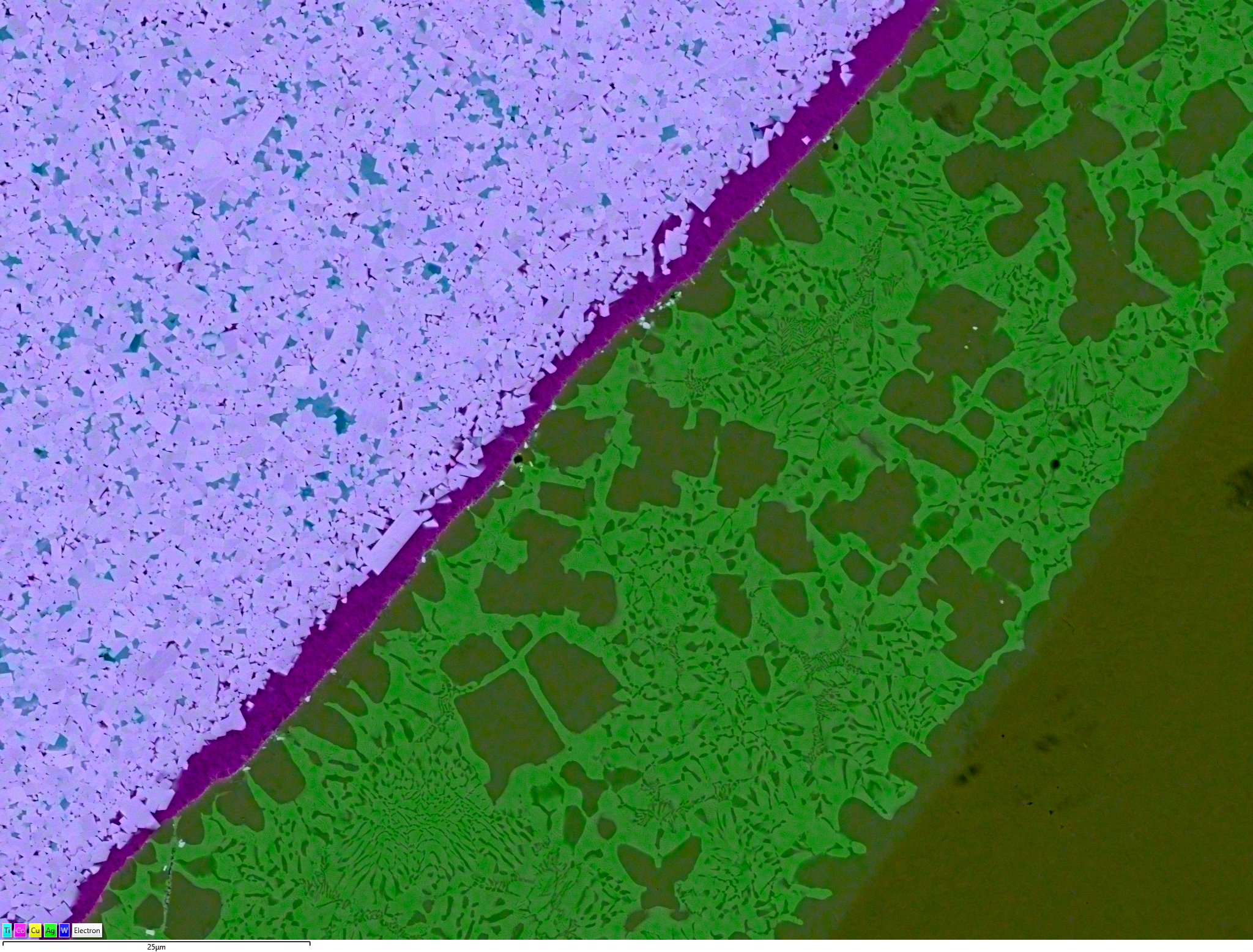
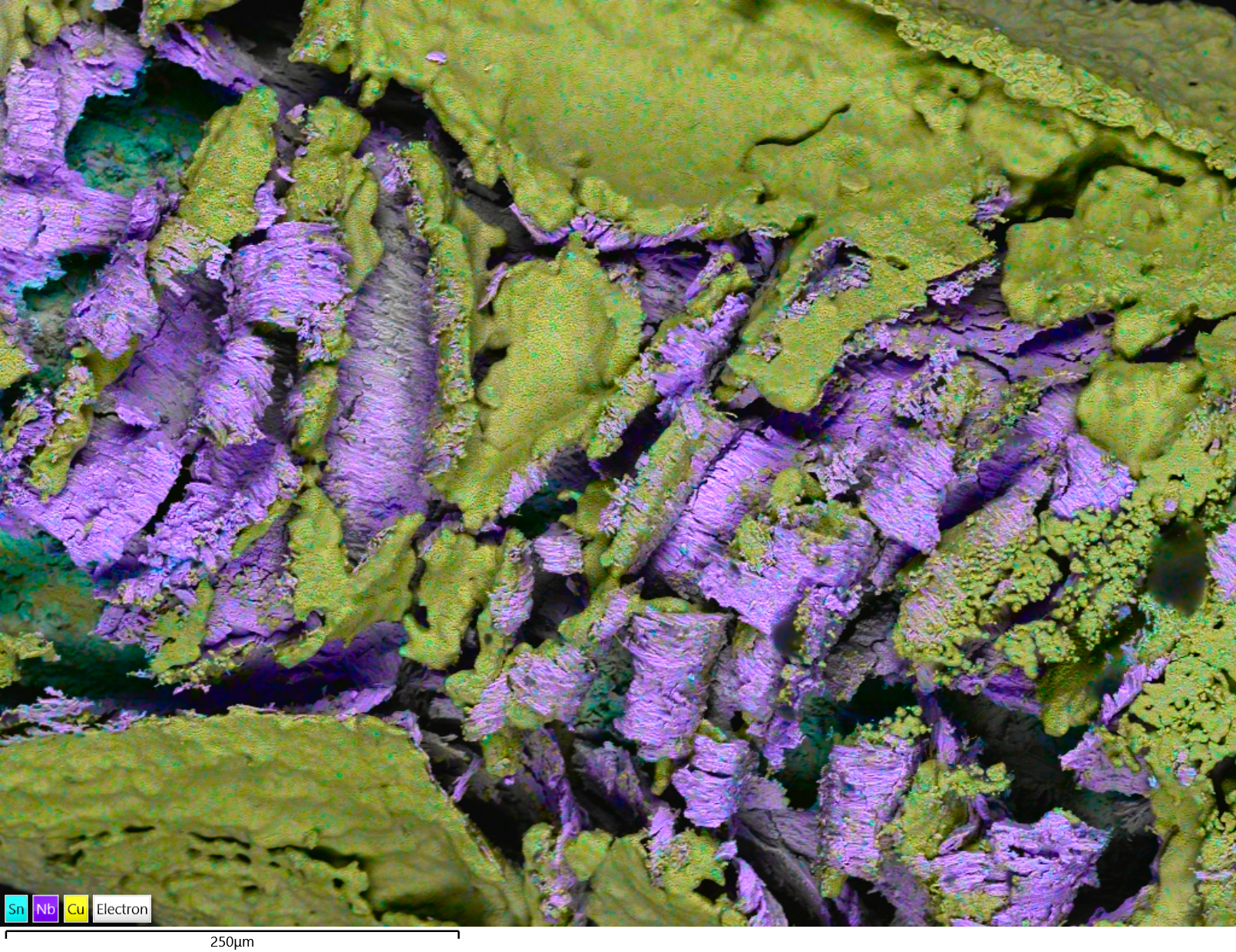
The Unity BEX detector enables precise elemental analysis of materials like steel and alloys, aiding in understanding microstructure-performance links. With high detection limits and sub-10 nm spatial resolution, it excels in mapping trace elements and analyzing fine features like precipitates. Positioned below the SEM pole piece, it avoids shadowing on rough samples, such as fracture surfaces, making it an essential tool for advancing material science research and innovation.
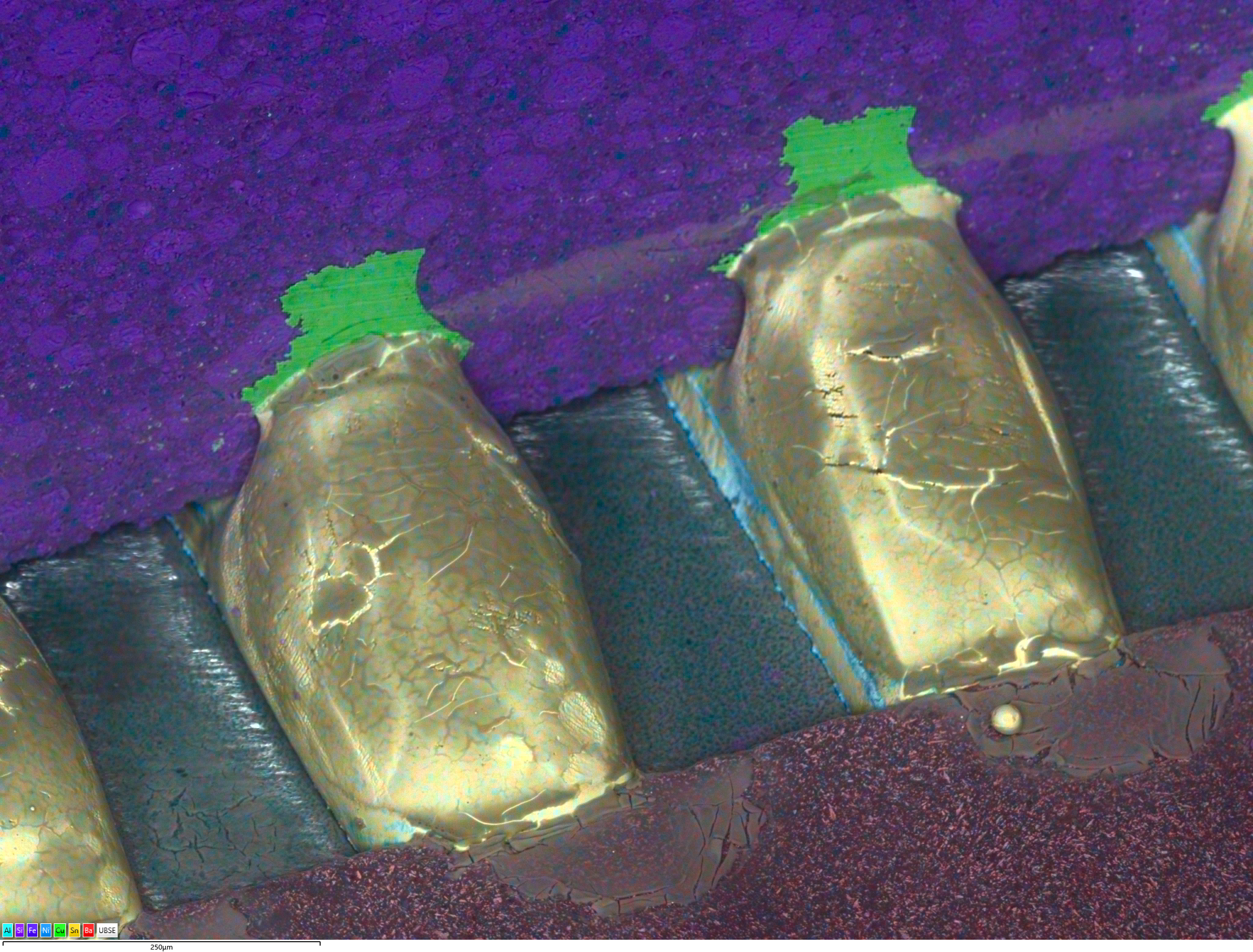
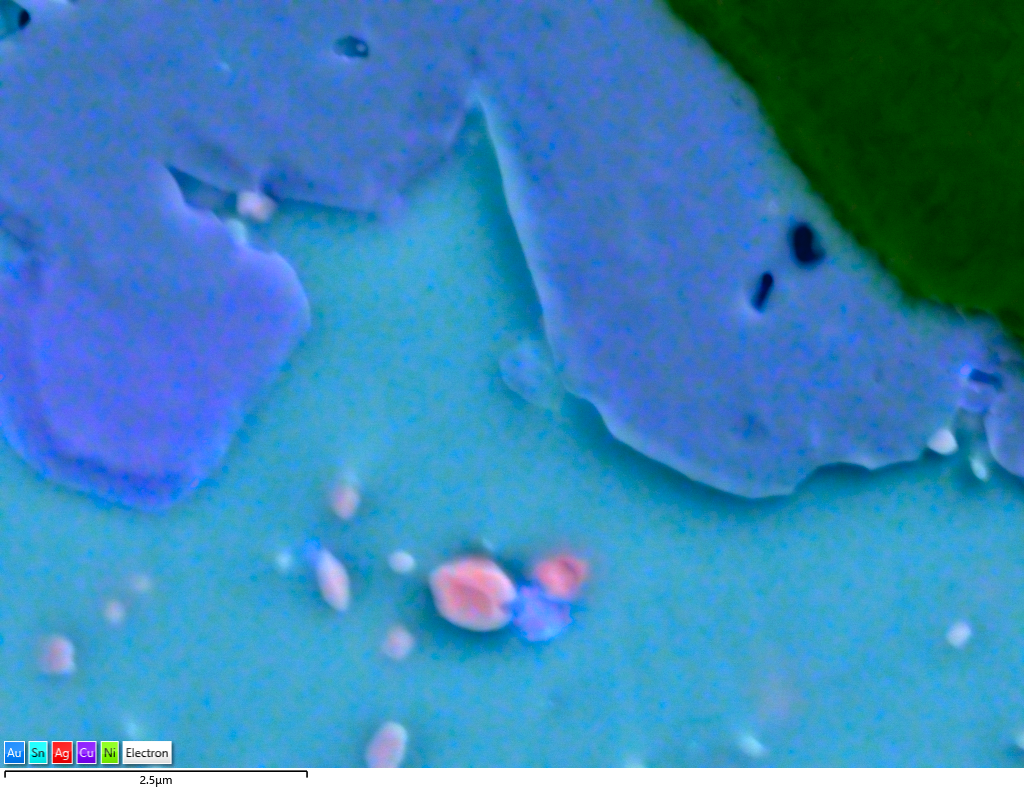
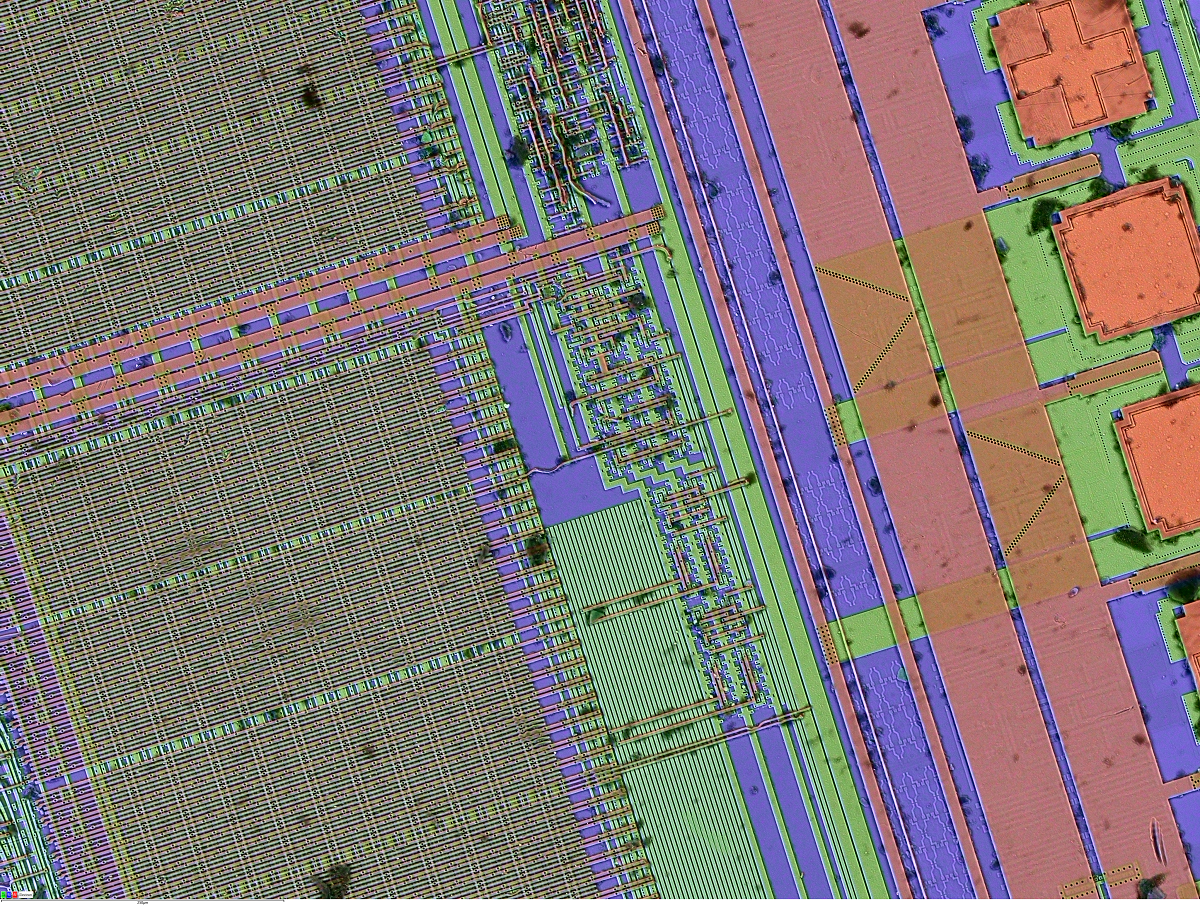
The Unity BEX detector is essential for semiconductor metrology and failure analysis, offering rapid structural and elemental insights across devices, wafers, and packaging. Combining BSE contrast with EDS mapping, it identifies regions of interest and analyzes chemistry in one scan. With 10x the solid-angle advantage of conventional EDS, it delivers faster mapping, cleaner data, and superior SNR, excelling in complex topographies. Unity streamlines FA workflows, reducing reliance on time-intensive TEM analysis.
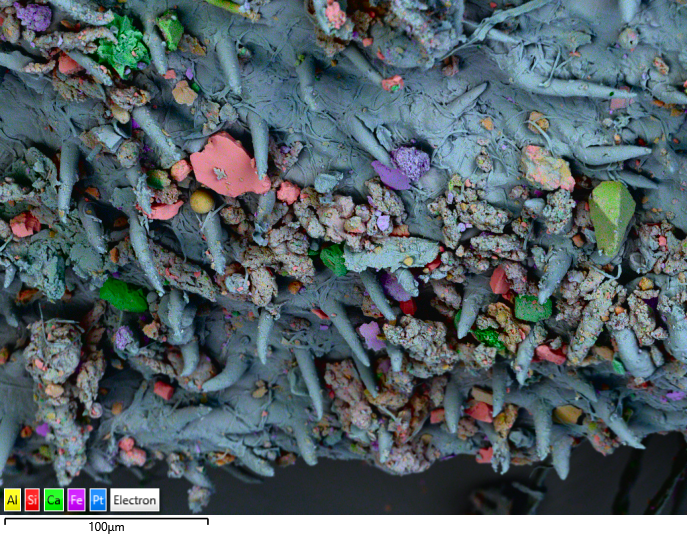
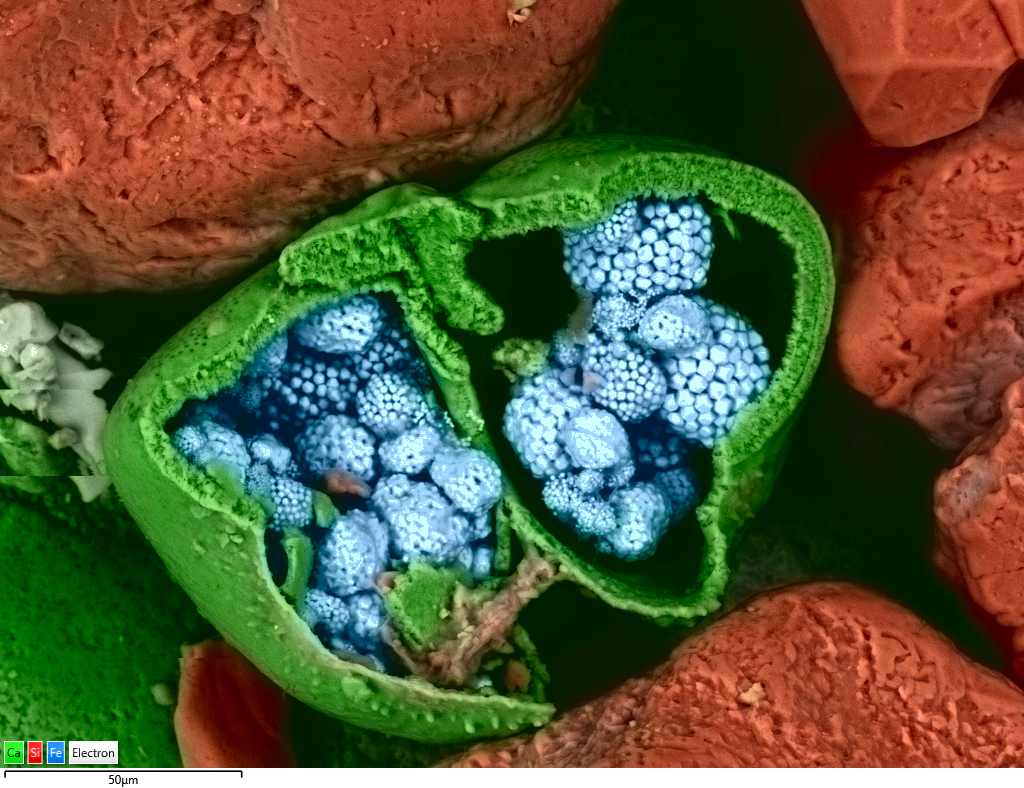
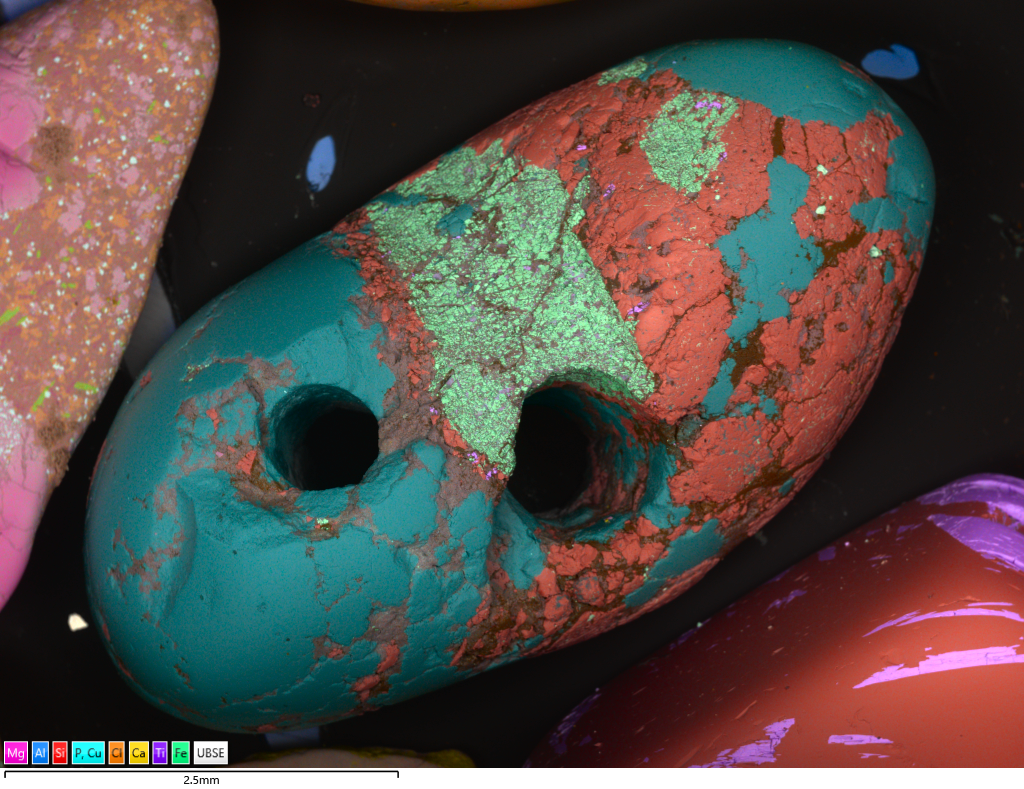
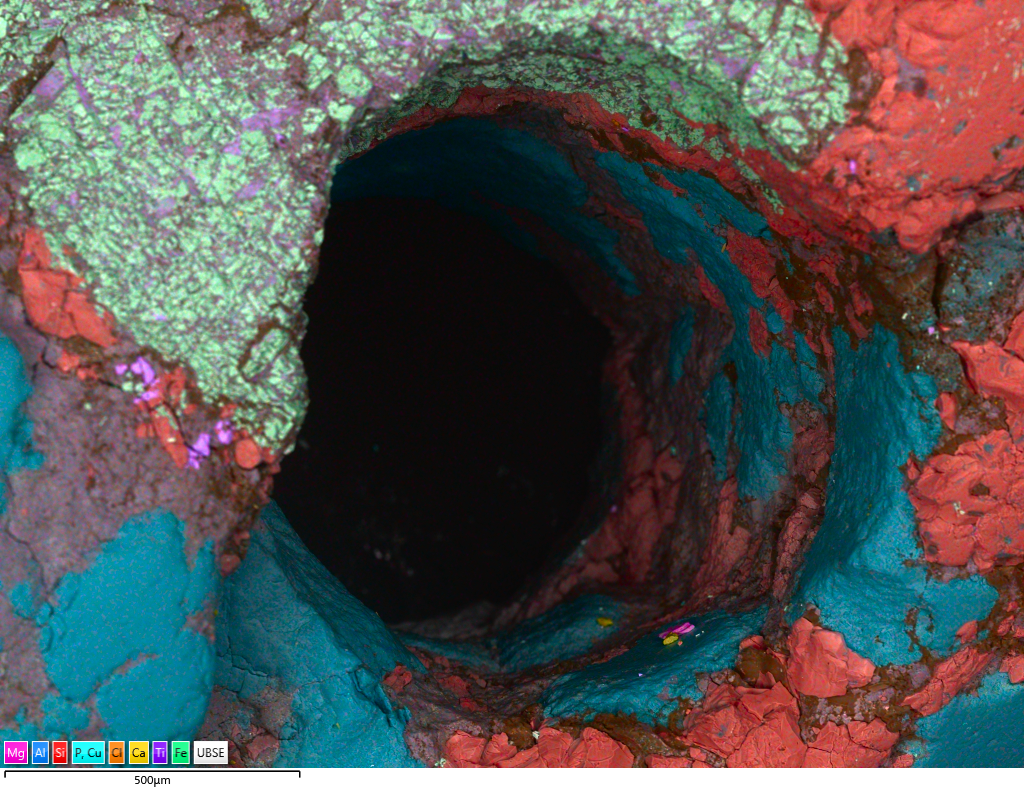
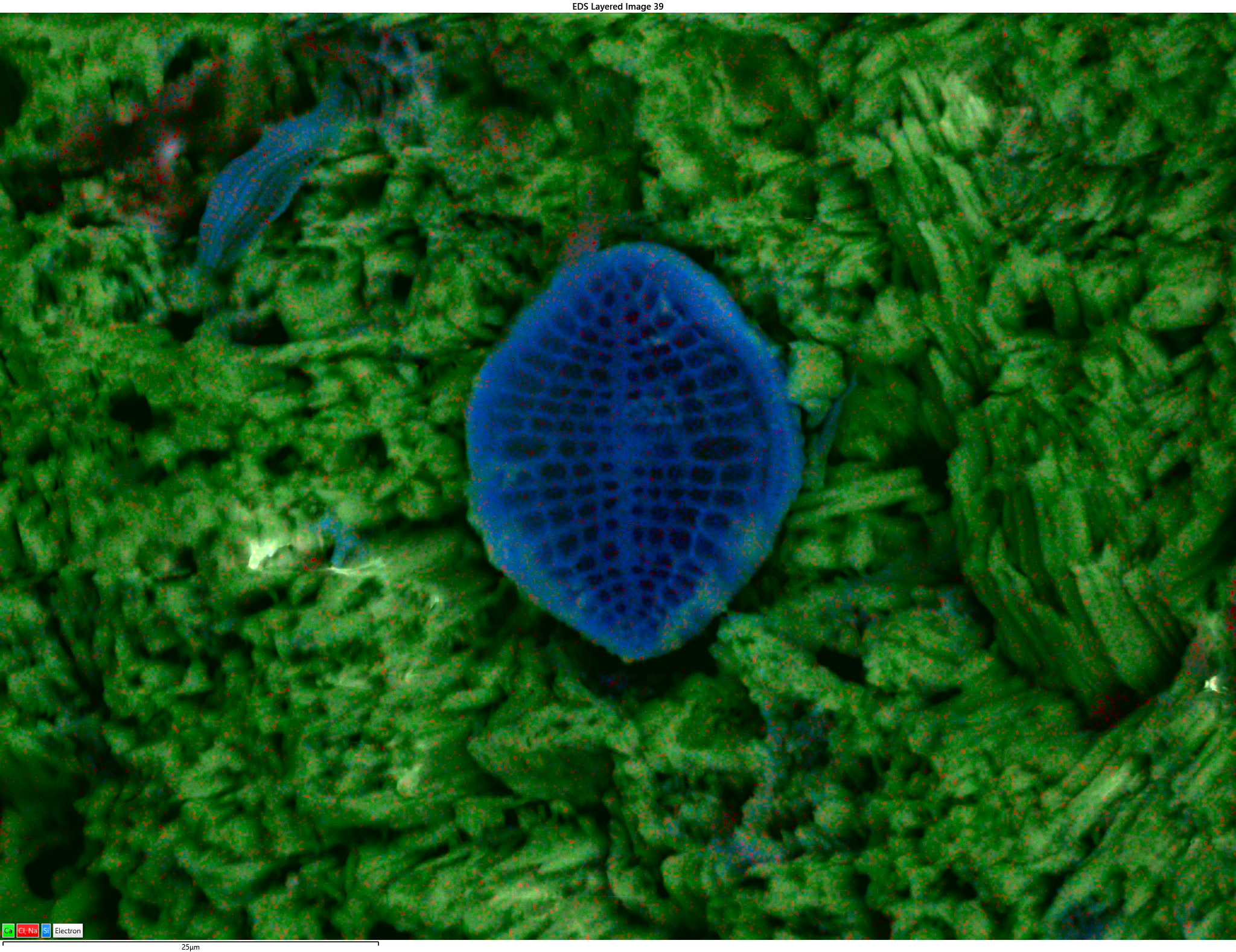
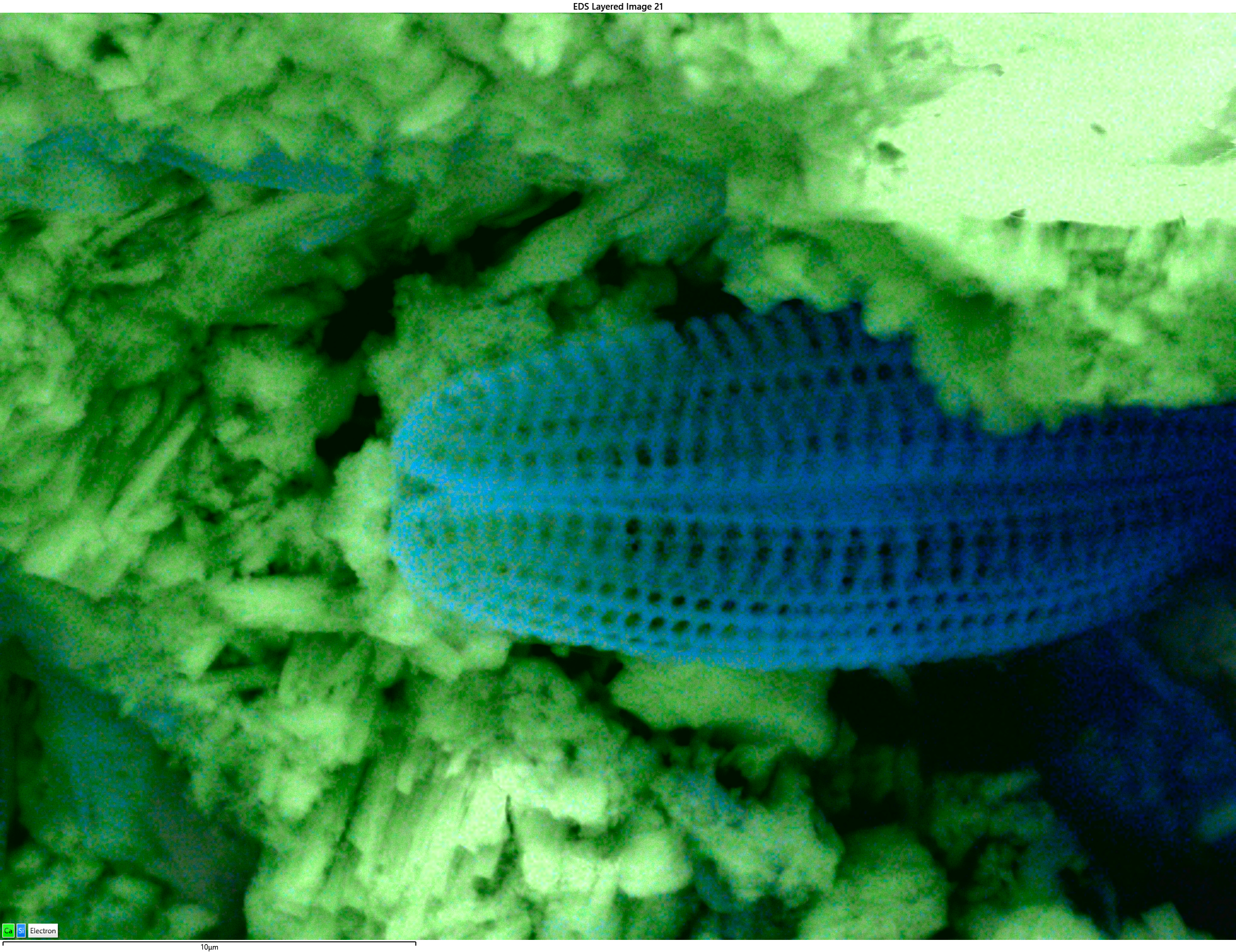
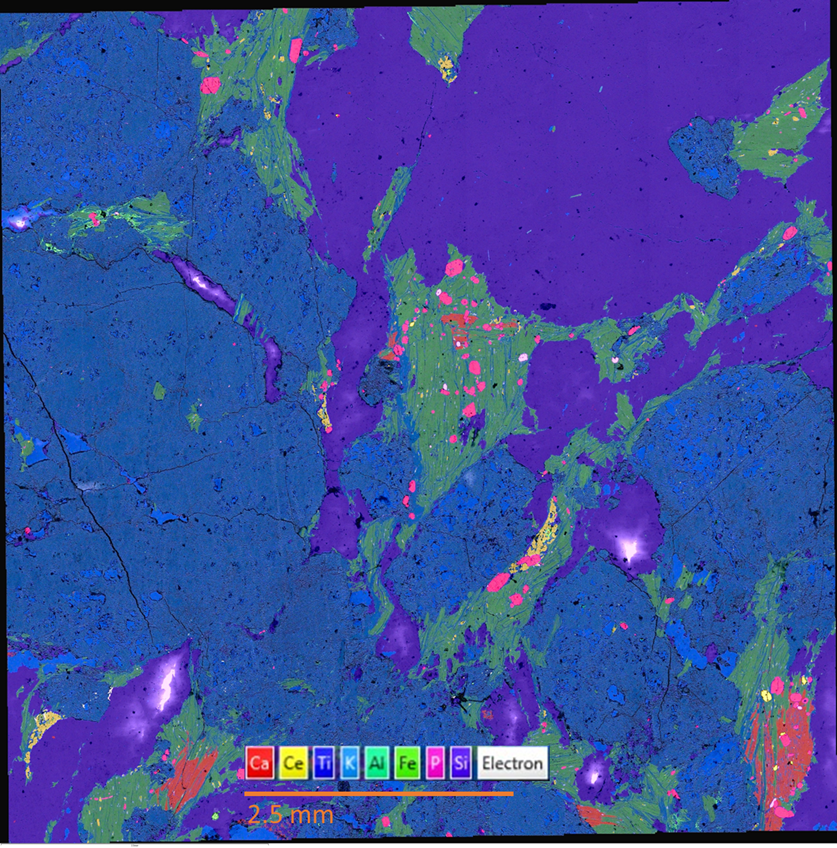
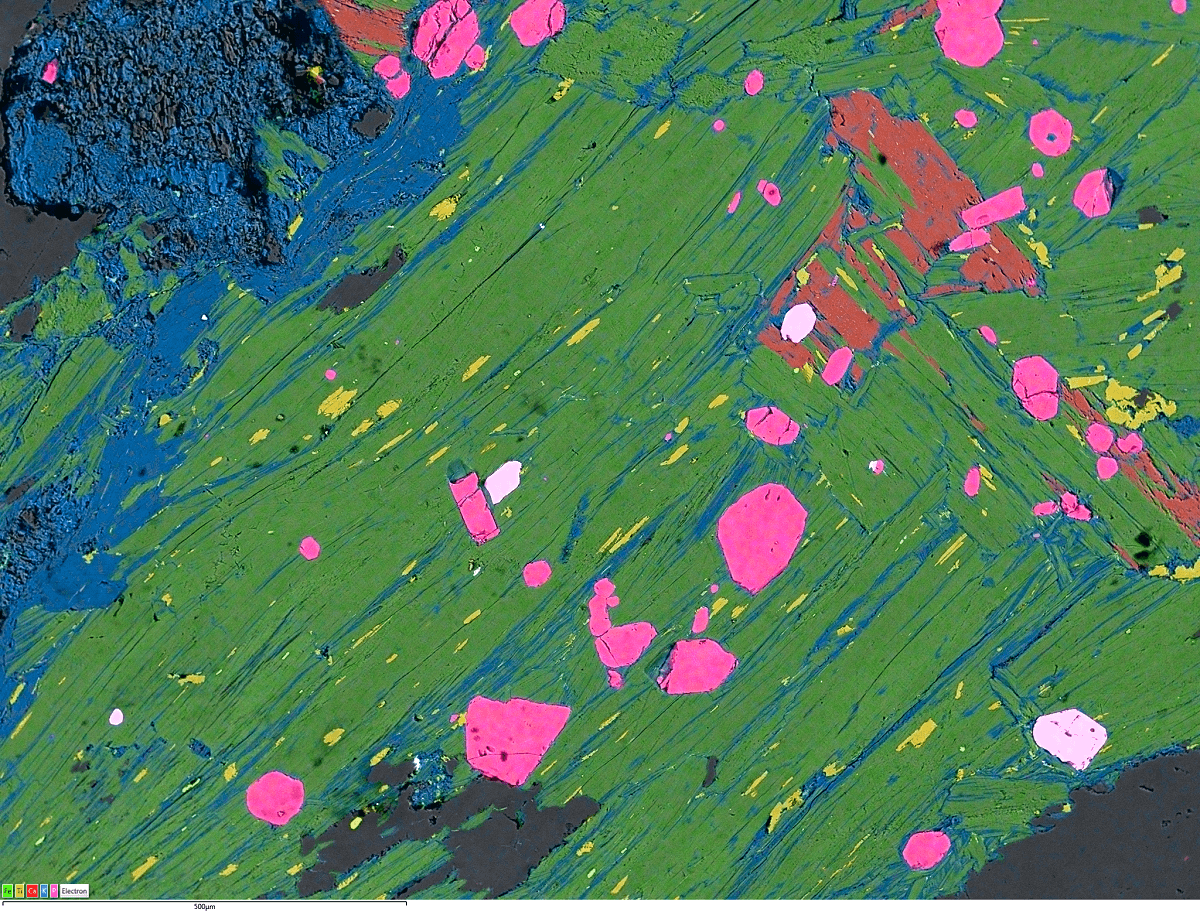
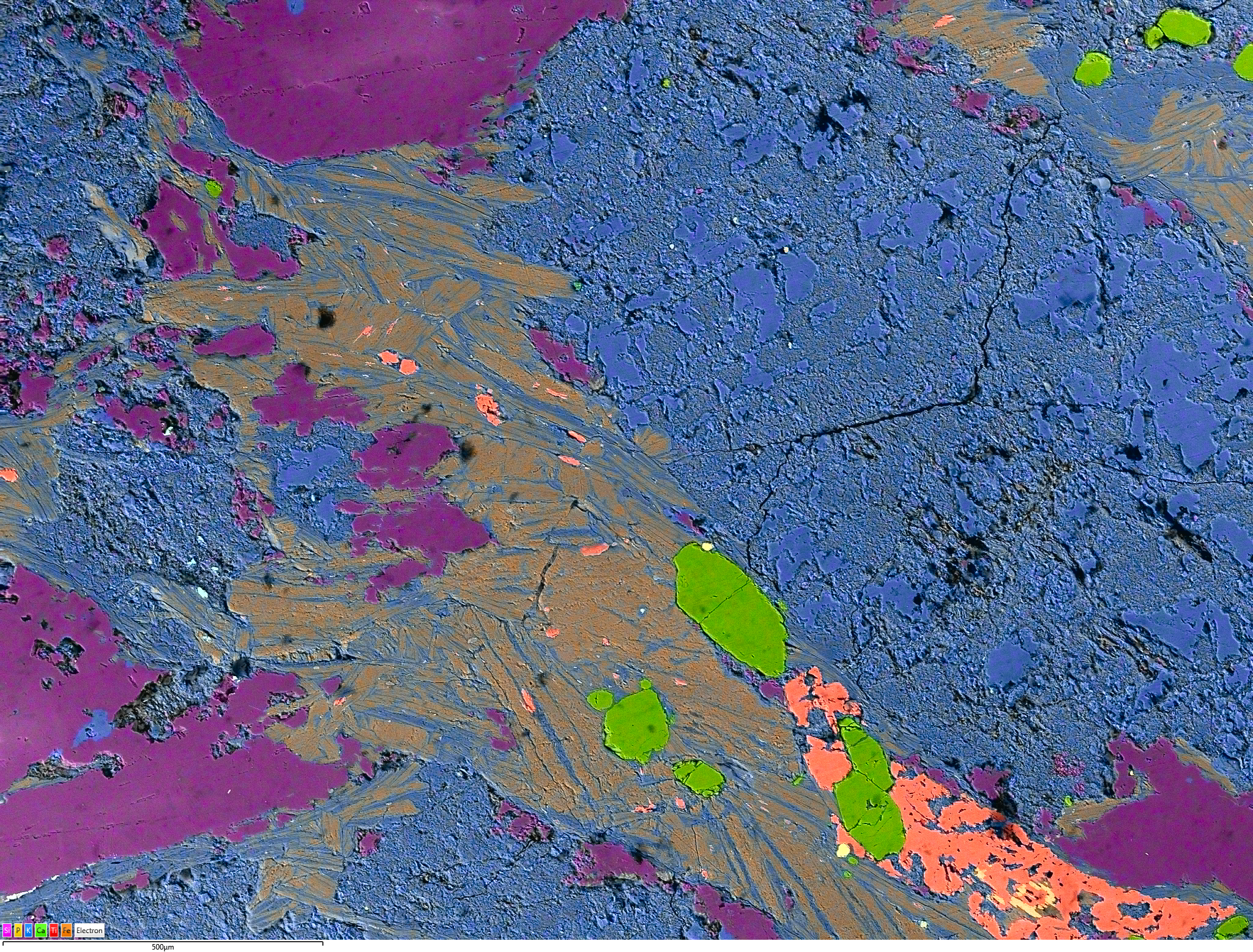
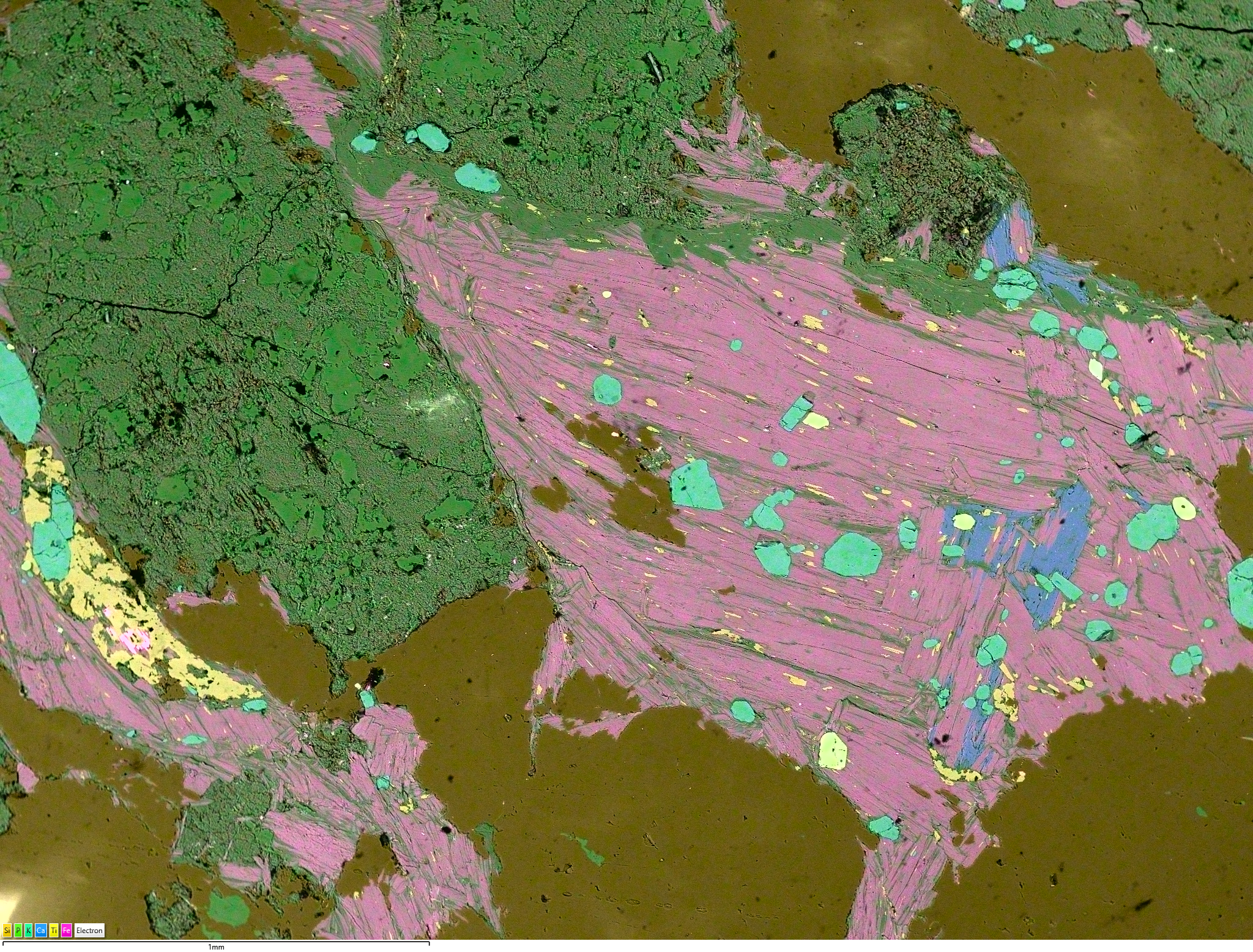
The Unity detector transforms geological microanalysis with rapid, sensitive mineral phase characterization in minutes. It analyzes a whole geological thin section in under an hour using automated BEX mapping and the PhaseMap algorithm in AZtecLive software. Positioned beneath the SEM pole piece, its high take-off angle overcomes shadowing, enabling analysis of rough, non-polished samples. Unity also operates in low vacuum mode, handling highly charging samples with ease.





© Oxford Instruments 2026
 Powered by Bioz